Social Prescribing Day is a global moment to recognise that health is shaped by many factors, including connection, routine, purpose, and whether people feel they belong. The 2026 theme says it plainly: Community is medicine.
Social prescribing prioritises social connection as a preventative health measure. It links people to non‑medical supports like community groups, creative activities, movement, learning, and shared interests. Not as a last resort, but as part of how we prevent poor health from taking hold in the first place.
That shift matters.
When people are socially isolated, disconnected, or stuck at home with little reason to engage, the impacts show up later in very real ways. This can look like declining mental health, reduced confidence, poor physical health, and increased reliance on clinical services. Social prescribing recognises that if we put connection first, we can reduce the need for medical intervention later.
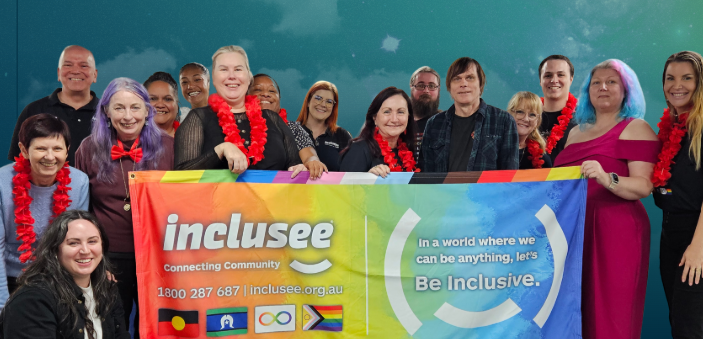
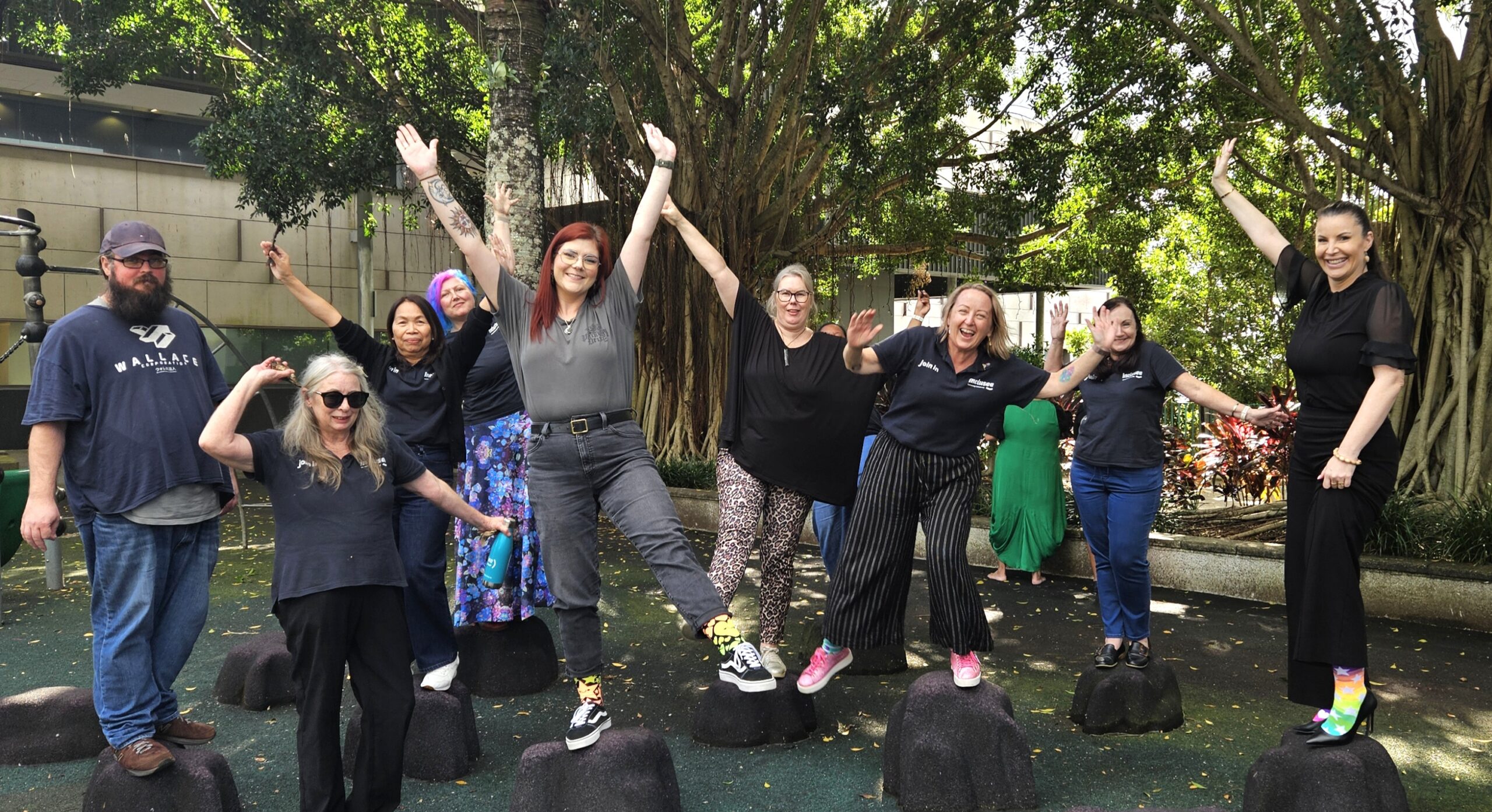
This is something we've always done at Inclusee.
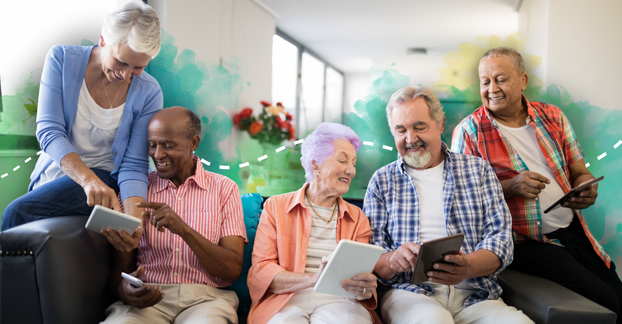
We support people who often face barriers to participating in everyday community life. Sometimes that’s due to health, life stage, carer responsibilities, living remotely, or a combination of several of these. It isn't a lack of interest, but a lack of accessible, welcoming spaces to connect. Our programs focus on ordinary, human experiences that create a sense of belonging. Sharing stories. Learning new skills. Turning up to something that feels familiar and safe. These aren’t “extras” alongside health, they are protective factors, that build confidence, routine, and relationships that help people stay well over time.
The importance of this shift is gaining momentum. USA Surgeon General, Dr Vivek Murthy, just launched his 'Staying Human' campaign this week with a focus on building a life of connection, joy and meaning.
Social prescribing also respects choice. People aren’t told what will improve their wellbeing but are supported to discover it themselves. That process builds trust and a sense of shared responsibility. Because, when people feel a sense of ownership, participation lasts and community becomes something they help shape, not just attend.
Social Prescribing Day, held on 26 March, celebrates the people, organisations, and communities making this approach visible across the world. It’s also an invitation to get involved in ways that feel realistic. That might mean sharing a story, hosting a small gathering, highlighting a local group, or simply talking about why connection matters. Many people mark the day online using #SocialPrescribingDay, helping build awareness through everyday voices.
Community won’t replace medicine. But when we treat social connection as essential, not optional, we can prevent problems before they escalate.
Join in to help us change the way Australians think about holistic health.