When people think about retirement planning, the focus is usually financial. Superannuation balances, income streams and retirement age dominate the conversation. These things matter, but they are only part of what shapes how retirement actually feels.
What’s often overlooked is social health – the relationships, routines, identity and sense of belonging that support wellbeing once work ends. For many people, this is where retirement becomes unexpectedly challenging.
Work provides income, but it also provides structure, purpose and connection. It shapes our weeks, our identity and our social world. Colleagues become familiar faces. Conversations happen naturally. Time has a rhythm.
When retirement arrives, those social structures can disappear quickly. Without preparation, people may find themselves with more free time but fewer meaningful interactions, less clarity about who they are, and fewer reasons to stay socially engaged.
This experience is common and human. It’s not a sign that something has gone wrong.
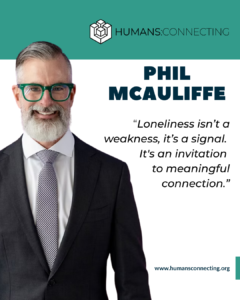
Loneliness is often misunderstood as a personal weakness or something to be hidden. In reality, it’s a normal human signal that tells us our need for connection isn’t being met. During retirement, that signal can become stronger as work‑based relationships fall away and social routines change.
Recognising loneliness early allows people to respond with intention, seeking connection and support before isolation becomes entrenched.
Social health refers to the quality of our relationships, our sense of belonging, and our ability to connect meaningfully with others. It influences mental health, physical wellbeing and overall quality of life.
Strong social health is associated with:
Just as physical health benefits from regular attention, social health benefits from reflection and planning.
Retirement is often framed as a finish line. In reality, it’s a transition into a new phase of life with different rhythms, roles and opportunities.
People who experience a more positive transition often have:
These don’t happen by chance. They are shaped by awareness, intention and support.
Being prepared for retirement shouldn’t only mean being financially ready. It should also include thinking about how life will feel day to day.
Questions worth considering include:
Preparing for social health doesn’t require having all the answers now. It starts with noticing what supports wellbeing today and how those supports might evolve over time.
Find out more about Phil McAuliffe and Humans: Connecting here - Services that help people connect & support loneliness | Humans:Connecting