Loneliness and social isolation can creep up quietly in later life. Retirement, health changes, losing a partner, or giving up driving can all reduce everyday social contact. Support is available in Australia, but knowing which option fits which situation is not always obvious.
This guide outlines the main support pathways for socially isolated seniors, with a focus on practical, safe ways to reconnect.
There is no single solution. Different supports help at different stages.
Local and government‑funded services provide social support through group activities, transport, and outreach programs. These are often accessed through My Aged Care pathways or local councils and can suit people who prefer face‑to‑face support when their health and mobility allow. Try your local council's website to explore groups in your area.
This option works well for:
If loneliness is affecting mood, sleep, or overall wellbeing, speaking with a GP is a good first step. Your doctor can suggest mental health supports, referrals, or group programs designed to improve social connection as part of overall health.
Services such as Beyond Blue, LifeLine, FriendLine, 13YARN focus on listening, guidance, and connection. They can sit alongside social options, such as community activities or interest‑based online groups, rather than replacing them. Your local COTA is also a good place to start - COTA Australia - Representing Older Australians
For many people, practical social connection and appropriate support work best together, especially when each is taken at a pace that feels right.
Learning to use technology safely can help reduce barriers to connection. Programs like government‑supported digital literacy initiatives focus on building confidence with devices, video calls, and online safety. Explore the government's Be Connected programs - Be Connected - Every Australian online
These are useful as entry points, but on their own they don’t usually provide ongoing social connection. People need somewhere to use those skills socially.
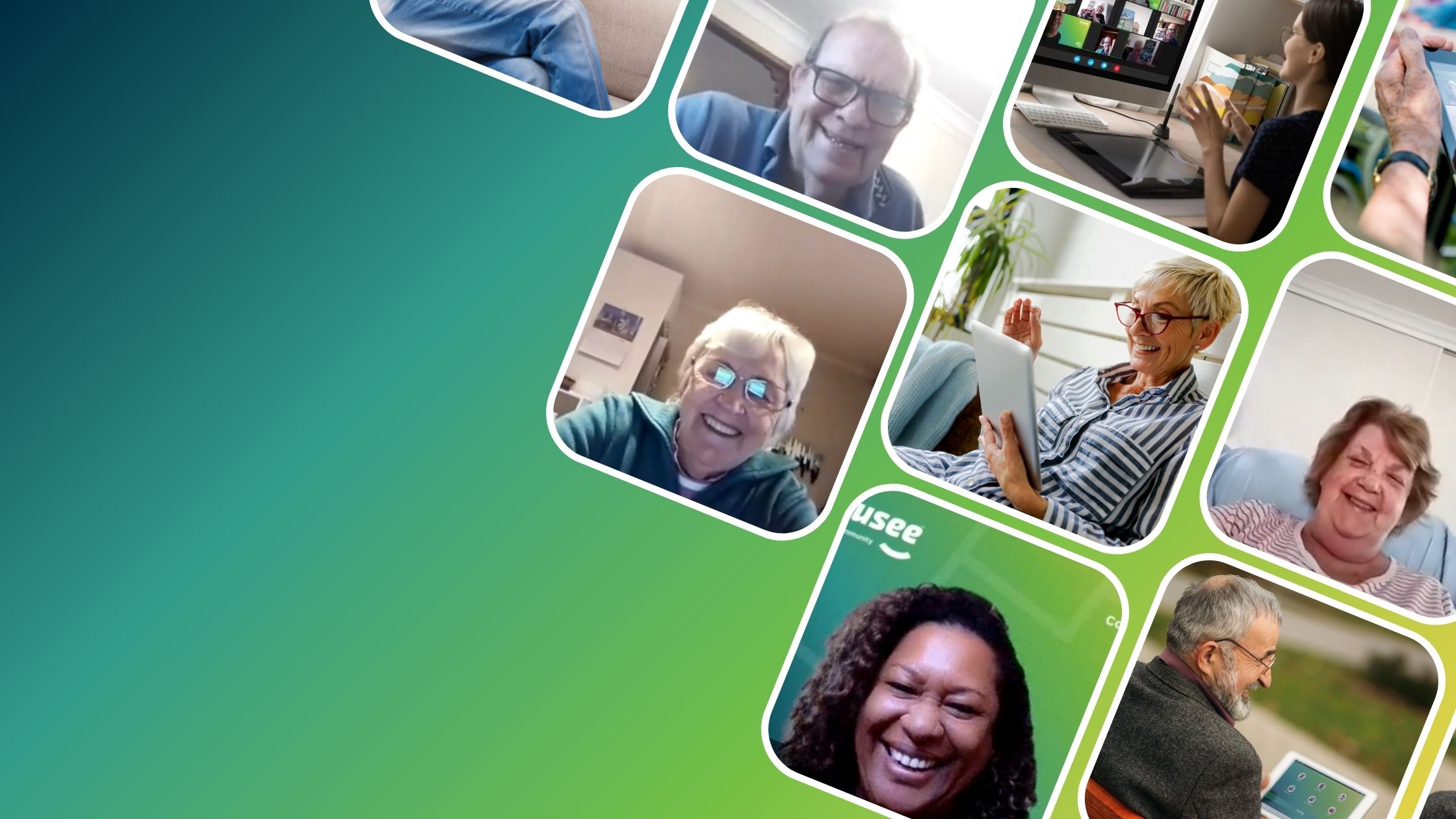
For many older Australians, online interest‑based clubs provide the most practical and sustainable form of support. These are regular, live sessions held online and built around shared interests such as conversation, books, games, music, art, travel, or learning.
Good online clubs usually include:
This structure matters. Being given a login and told to “jump online and see how it goes” rarely builds confidence or connection. Structured, facilitated groups tend to feel safer and more welcoming.
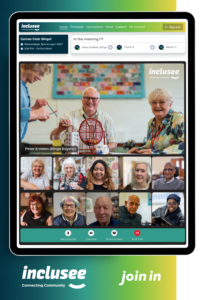
Inclusee is an Australian not‑for‑profit offering facilitated online social clubs for older Australians, delivered through our Virtual Community Centre. Sessions are interest‑based, regular, and designed for people who may feel unsure about technology or social settings. Sessions are guided, predictable, and designed to help people feel comfortable rather than overwhelmed.
The focus is not on mastering platforms or fancy apps. It’s on creating a safe space for people to connect over activities they actually look forward to joining. Find out more here.
A simple approach works best:
Feeling lonely or cut off doesn’t mean something is “wrong”. It usually means life has changed, and the old ways of staying connected don’t quite work anymore.
Good support doesn’t rush people or expect confidence on day one. It meets people where they are. It makes room for listening before talking. It offers familiar faces, gentle routines, and something small but real to look forward to each week.


© 2026 Inclusee Ltd Connecting communities since 1973.